
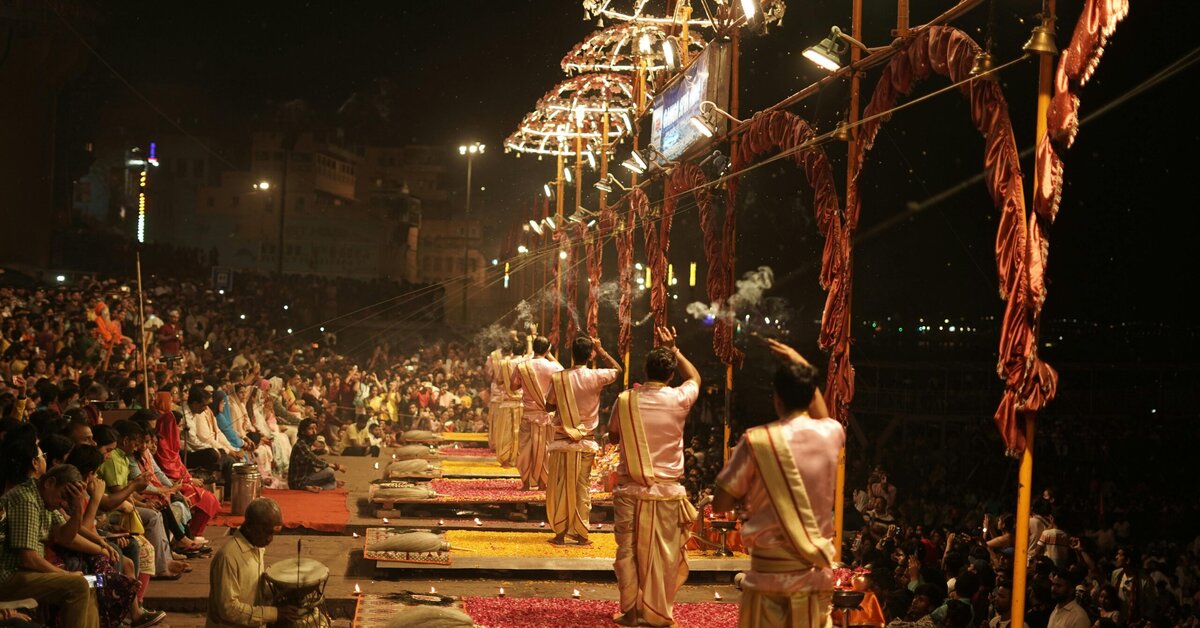
Senior Citizen Friendly Magh Mela Kashi Ayodhya Tour ,For many senior citizens, visiting Prayagraj’s Triveni Sangam during Magh Mela, experiencing the eternal spirituality of Kashi, and having darshan at Ayodhya’s Ram Janmabhoomi represents the fulfillment of lifelong dreams. These aren’t just travel destinations—they’re sacred places that have lived in their hearts through decades of devotion, prayer, and yearning.
Yet here’s the reality: traditional pilgrimage travel can be grueling. Crowded buses, basic accommodations, extensive walking, early morning rituals in freezing temperatures, and unpredictable facilities create genuine obstacles for elderly travelers. The spirit is willing, but the body faces legitimate challenges.
Does this mean seniors must abandon these spiritual aspirations? Absolutely not. The evolution of senior-friendly tour services has transformed what once seemed impossible into entirely achievable journeys. Specialized tours now combine authentic spiritual experiences with the comfort, safety, and pacing that elderly travelers need.
This comprehensive guide explores how seniors can undertake the sacred circuit of Magh Mela, Kashi, and Ayodhya with dignity, comfort, and genuine spiritual fulfillment. Whether you’re a senior planning your own pilgrimage or a family member helping arrange this meaningful journey for elderly parents or grandparents, you’ll find practical guidance on making this dream a comfortable reality.

Why This Sacred Circuit Appeals to Senior Citizens
Understanding the deep appeal helps appreciate why proper planning matters so much.
Fulfilling Lifelong Spiritual Aspirations
For many seniors, these destinations aren’t bucket list items—they’re profound spiritual obligations nurtured across decades. Perhaps they heard parents speak of Sangam’s sanctity, read scriptures describing Kashi’s spiritual power, or grew up with Ram’s stories making Ayodhya sacred in their imagination.
Life’s responsibilities—raising families, building careers, managing households—often postpone such journeys. Retirement finally offers the time, and often the financial means, to undertake pilgrimages deferred for years. There’s also an element of spiritual preparation. Many seniors view later life as the appropriate stage for intense spiritual focus, making this journey meaningful beyond tourism.
The three destinations collectively address end-of-life spiritual concerns that resonate deeply with elderly devotees. Bathing at Sangam offers purification of lifelong sins. Visiting Kashi confronts mortality directly—it’s where one seeks moksha (liberation). Ayodhya inspires through Ram’s dharmic life, offering models for righteous living in one’s final years.
For seniors, this isn’t recreation—it’s completion of their spiritual journey, bringing peace and fulfillment that transcends the physical challenges involved.
Challenges Seniors Face on Traditional Pilgrimages
Honesty about difficulties helps us plan solutions. Traditional pilgrimage arrangements present multiple challenges for elderly travelers:
Physical Demands: Extensive walking on uneven surfaces, climbing stairs at temples, standing in long queues, early morning activities requiring waking at 4:00 AM, and cold weather exposure during winter—all tax aging bodies.
Basic Facilities: Standard pilgrim accommodations often mean hard beds aggravating joint pain, shared bathrooms requiring navigation at night, squat toilets impossible for those with knee problems, and heating inadequate for sensitive circulatory systems.
Crowd Navigation: Massive gatherings at Magh Mela and popular temples create situations where seniors risk being jostled, pushed, separated from companions, or injured in crowd surges.
Medical Access: Distance from quality healthcare, language barriers with local medical staff, and uncertainty about where to seek help if health issues arise create legitimate anxiety.
Dietary Restrictions: Many seniors have specific dietary needs—low-salt for hypertension, diabetic-appropriate meals, easily digestible foods—that street vendors and budget restaurants don’t accommodate.
Cognitive Load: Managing tickets, directions, money, security, and logistics simultaneously overwhelms when cognitive processing slows with age.
These aren’t trivial concerns. They’re real barriers that have prevented many seniors from undertaking desired pilgrimages. Acknowledging them allows us to design tours systematically addressing each challenge.
Essential Features of Senior-Friendly Tours
What transforms a standard pilgrimage into a senior-appropriate journey? Several non-negotiable features.
Comfortable Transportation Options
Transportation choices dramatically impact senior comfort and safety.
Private Vehicles: Senior-friendly tours use spacious vehicles—typically Toyota Innova, Crysta, or similar SUVs—with comfortable seating, good suspension, and air conditioning. These vehicles accommodate 4-6 passengers comfortably, allowing seniors to stretch legs during long drives.
Minimal Transfer Points: Rather than combining multiple buses, trains, and local transport, senior tours use single vehicles for entire journeys when possible, eliminating the stress and physical demands of repeated packing/unpacking and boarding/alighting.
Professional Drivers: Experienced drivers familiar with routes, trained in defensive driving, and understanding senior passengers’ needs—driving smoothly, avoiding sudden braking, taking frequent rest stops—make enormous difference.
Flexibility: If a senior needs unscheduled bathroom stops, feels unwell and needs slower pace, or wants to rest, senior-focused transportation accommodates without complaints or pressure.
Wheelchair Accessibility: Best tours provide vehicles with easy entry (no high steps), wheelchair storage capacity, and drivers trained in assisting mobility-limited passengers.
Accessible Accommodation
Where seniors sleep matters immensely.
Ground Floor Rooms: Eliminating stairs is priority one. Senior-friendly accommodations either provide ground floor rooms or hotels with reliable elevators (important note: many budget Indian hotels have tiny, unreliable lifts).
Western Toilets with Safety Features: Attached bathrooms with Western-style commodes, grab bars near toilets and showers, non-slip flooring, and hot water availability aren’t luxuries—they’re necessities.
Comfortable Beds: Firm mattresses supporting aging backs, adequate pillows, and quality bedding ensure seniors actually rest. Hard traditional cots or sagging old mattresses cause pain and sleeplessness.
Climate Control: Reliable heating (winter) or air conditioning (other seasons), allowing seniors to regulate room temperature according to their comfort.
Proximity to Services: Accommodations located near medical facilities, pharmacies, and restaurants minimize walking and provide peace of mind.
24-Hour Staff: Reception and security staff available round-the-clock means help is immediately available if needs arise during night.
Pacing and Rest Days
Perhaps the most important feature: recognizing that seniors need different pacing than younger travelers.
Extended Duration: Senior tours allocate 8-10 days for circuits that standard tours complete in 5-6 days. This isn’t inefficiency—it’s wisdom, allowing proper rest between intensive activities.
Half-Day Activities: Rather than cramming dawn-to-dusk schedules, senior tours often schedule major activities in morning, leaving afternoons for rest, light shopping, or optional activities.
Buffer Days: Built-in rest days between destinations let seniors recover from travel, do laundry, and simply relax without pressure.
Optional Participation: Best tours make most activities optional rather than mandatory. Seniors can skip particular temples, sleep through early morning activities, or rest at hotel while others explore—without feeling they’re missing obligatory components.
Meal Scheduling: Regular meal times at comfortable restaurants rather than rushed street food or late meals accommodate digestive systems that struggle with irregularity.
Medical Support and Safety
Health security transforms anxiety into confidence.
Tour Leaders with Medical Training: Having tour organizers or assistants with basic medical training and first-aid certification provides immediate response capability.
Tie-ups with Hospitals: Reputable senior tours establish relationships with quality hospitals in each destination, knowing exactly where to go if serious issues arise.
Medical Kit: Tours carry comprehensive first-aid kits including common medications, monitoring devices (thermometer, BP machine, glucose meter), and emergency supplies.
Emergency Protocols: Clear procedures for medical emergencies—who to contact, how evacuation works, what insurance covers—prevent panicked improvisation during crises.
On-Call Doctor: Premium senior tours sometimes include 24-hour access to doctor consultation via phone, providing medical guidance without hospital visits for minor concerns.
Small Group Sizes: Limiting tours to 8-12 seniors (versus 30-40 in standard tours) allows proper attention to each person’s needs and faster response to issues.
Detailed Senior-Friendly Itinerary
Let’s walk through a realistic, comfortable 9-day itinerary designed specifically for senior citizens.
Day-by-Day Breakdown
Day 1: Arrival in Prayagraj
- Morning/afternoon arrival by train or flight
- Pickup by private vehicle from station/airport
- Check-in to comfortable Magh Mela camp (premium category with attached bathrooms)
- Rest and acclimatization
- Light evening walk around camp area (optional)
- Early dinner and sleep
- Focus: Recovery from travel, adjustment to environment
Day 2: Magh Mela Experience
- 5:30 AM: Wake-up call (optional—those who prefer can sleep)
- 6:00 AM: Light breakfast
- 6:30 AM: Departure for Sangam by private boat (avoiding crowd hassles)
- 7:00-8:30 AM: Sangam Snan with priest assistance for rituals
- 9:00 AM: Return to camp, change clothes
- 10:00 AM: Breakfast
- 11:00 AM-2:00 PM: Rest period
- 3:00 PM: Visit to nearby temples—Hanuman Mandir, Akshayavat (by vehicle, minimal walking)
- 5:30 PM: Return to camp
- 6:30 PM: Light evening activities, dinner
- Focus: Completing primary spiritual objective with maximum comfort
Day 3: Prayagraj Exploration & Travel Preparation
- Late morning wake-up (recovery from early previous day)
- Breakfast at leisure
- Optional: Second Sangam visit for those who wish
- Light local sightseeing: Triveni Sangam area, Allahabad Fort (exterior viewing)
- Afternoon rest
- Early evening: Packing, preparation for next destination
- Early dinner and sleep
- Focus: Gentle activities, recovery, preparation
Day 4: Travel to Varanasi
- 8:00 AM: Breakfast
- 9:00 AM: Departure for Varanasi (125 km, approximately 3 hours with rest stop)
- Midway rest stop at clean restaurant
- 12:30 PM: Arrival in Varanasi, check-in to hotel (preferably with Ganga view)
- Lunch at hotel
- Afternoon rest
- 5:00 PM: Evening visit to Assi Ghat (less crowded than Dashashwamedh)
- Witness Ganga Aarti from boat or ghat seating
- Dinner at hotel
- Focus: Comfortable travel day with cultural immersion
Day 5: Kashi Temples
- 6:00 AM: Wake up (optional)
- 6:30 AM: Morning boat ride on Ganga (1 hour, witnessing sunrise and ghats)
- 8:00 AM: Return to hotel, breakfast
- 10:00 AM: Visit to Kashi Vishwanath Temple (VIP darshan to minimize queuing)
- 12:00 PM: Return to hotel, lunch and rest
- 4:00 PM: Visit to Sankat Mochan Temple and Tulsi Manas Temple
- 6:30 PM: Return to hotel, dinner
- Focus: Major spiritual objectives with adequate rest periods
Day 6: Sarnath & Varanasi Rest Day
- 9:00 AM: Breakfast
- 10:00 AM: Visit to Sarnath (Buddhist site, peaceful atmosphere, minimal stairs)
- Museum and stupa viewing
- 1:00 PM: Lunch at Sarnath restaurant
- 2:30 PM: Return to hotel
- Afternoon: Rest or optional activities (silk shopping, local exploration)
- Evening: Choice of Ganga Aarti at Dashashwamedh Ghat or rest
- Focus: Cultural enrichment, relaxed pacing
Day 7: Travel to Ayodhya
- 8:00 AM: Breakfast
- 9:00 AM: Departure for Ayodhya (200 km, approximately 4-5 hours with stops)
- Multiple rest stops en route
- 2:00 PM: Arrival in Ayodhya, check-in to hotel
- Lunch and afternoon rest
- 5:00 PM: Evening visit to Sarayu Ghat, witness evening aarti
- Light walking in Ram ki Paidi area
- Dinner at hotel
- Focus: Manageable travel day, gentle evening introduction
Day 8: Ayodhya Darshan
- 7:00 AM: Breakfast
- 8:00 AM: Visit to Ram Janmabhoomi/Ram Mandir (early to avoid crowds)
- Note: Extensive security, bag restrictions—tour manages this
- 11:00 AM: Visit to Hanuman Garhi (vehicle assistance to minimize stairs where possible)
- 12:30 PM: Lunch
- 1:30 PM: Return to hotel, rest
- 4:00 PM: Visit to Kanak Bhawan, Sita Rasoi
- 6:00 PM: Return to hotel
- Evening farewell dinner
- Focus: Completing Ayodhya spiritual objectives, celebration of journey completion
Day 9: Departure
- Breakfast at leisure
- Morning free for rest or light local shopping
- Check-out
- Transfer to airport/railway station for return journey
- Focus: Stress-free departure, carrying spiritual fulfillment home
Buffer Days and Flexibility
The above itinerary can be customized with additional buffer days:
- Add Day 3.5 as pure rest day in Prayagraj
- Add Day 6.5 as extra rest in Varanasi (most seniors enjoy extended Kashi stay)
- Add Day 8.5 if Ayodhya requires more time or as general recovery day
Premium senior tours include such flexibility, adjusting on-the-ground based on group energy levels and weather conditions.
Best Tour Operators Specializing in Senior Travel
Choosing the right operator dramatically impacts experience quality. Here are categories and what to look for:
Established Religious Tour Operators:
- IRCTC Tourism (Bharat Darshan trains offer senior-friendly options)
- Cox & Kings (premium operator with senior-specific packages)
- Thomas Cook India (senior citizen special tours)
- Kesari Tours (long history of religious tourism)
Specialized Senior Travel Companies:
- Several operators now focus exclusively on senior travel, offering smaller groups, slower pacing, and age-appropriate services
- Look for operators advertising “senior citizen special” or “elderly-friendly” tours
What to Verify:
- Tour group size (smaller is better—maximum 12-15 seniors)
- Guide/leader qualifications and experience with elderly travelers
- Detailed accommodation information (not just “good hotels” but specific properties)
- Medical support provisions beyond basic first-aid
- Flexibility in itinerary if participants need adjustments
- Reviews specifically from senior travelers
- Cancellation and medical emergency policies
- Ratio of support staff to travelers
Red Flags:
- Extremely low prices (corners are being cut somewhere)
- Vague accommodation descriptions
- Packed itineraries with no rest days
- Large group sizes (30+ participants)
- No medical support mentioned
- Inflexible schedules
- Lack of senior-specific reviews or testimonials
Direct Questions to Ask:
- “What’s your experience organizing senior-only tours?”
- “Can you provide references from previous elderly participants?”
- “What happens if someone falls sick—what’s the exact protocol?”
- “Are all accommodations confirmed or ‘similar’ properties might be substituted?”
- “What’s included in tour price versus additional charges?”
- “How do you handle mobility-challenged participants?”
Accommodation Recommendations for Each Destination
Specific property suggestions help with planning.
Prayagraj (Magh Mela) Senior-Friendly Camps
Premium Options:
- Kumbh One: Offers luxury Swiss tents with attached bathrooms, heating, comfortable beds, organized meal services. Well-regarded for senior comfort.
- Aura of Faith: Premium camp with modern facilities, good medical support, cultural programs.
- Various Akharas’ Senior Sections: Some religious organizations run dedicated senior sections with better facilities.
What to Ensure:
- Attached Western toilet with grab bars
- Heated tents or rooms (January nights are cold)
- Proximity to medical facilities
- Meal services included (eliminates need to navigate mela for food)
- Private or semi-private accommodation (not dormitory)
Booking: Must reserve 2-3 months in advance for peak mela dates. Work with reputable tour operators who verify camp quality personally.
Varanasi Hotels with Senior Amenities
Luxury Category (₹5,000-15,000 per night):
- Brijrama Palace: Heritage property on Ganga, elevator access, excellent staff trained in senior care, Ganga-view rooms, quality restaurant
- Radisson Hotel Varanasi: Modern amenities, elevator, accessible rooms, reliable service, though not traditional atmosphere
- Gateway Ganges: Good balance of modern comfort and cultural experience
Mid-Range with Senior Focus (₹2,500-5,000):
- Hotel Surya: Near Godowlia, elevator, clean, senior-friendly staff
- Rivatas by Ideal: Good amenities, accessible, reasonable pricing
- Palace on Ganges: Heritage feel with modern conveniences
Essential Features for Varanasi:
- Elevator (many old properties lack it)
- Not deep in narrow lanes (limits vehicle access)
- Ganga view preferred (seniors enjoy watching aarti from room/terrace if too tired for ghat visit)
- Proximity to ghats but not in the most crowded section
- In-house restaurant (eliminates need to navigate for meals)
Ayodhya Accessible Properties
Ayodhya’s hotel infrastructure is newer and developing. Options include:
Better Options:
- The Raam: Newer property, modern amenities, senior-appropriate
- Ramayan Hotel: Decent facilities, well-located
- Panchvati Palace: Traditional feel with modern rooms
What to Check:
- Ground floor availability (many Ayodhya hotels are 2-3 stories without elevators)
- Attached bathrooms with Western toilets
- Proximity to Ram Janmabhoomi (minimizes travel)
- Restaurant quality (some newer hotels still developing food services)
Alternative: Some tours base in Faizabad (adjacent city) with better hotel options, visiting Ayodhya for darshan.
Transportation Considerations for Elderly Travelers
Getting around safely and comfortably is crucial.
Vehicle Selection:
- Best Choice: Toyota Innova Crysta or similar SUVs—comfortable seating, good suspension, adequate space, easy entry/exit
- Acceptable: Maruti Ertiga, Mahindra Marazzo (smaller but decent)
- Avoid: Tempo Travelers or mini-buses unless group is large and vehicle is genuinely senior-configured
Driver Requirements:
- Experienced (10+ years preferred)
- Familiar with routes between Prayagraj, Varanasi, Ayodhya
- Trained in senior passenger needs—smooth driving, patient with boarding/alighting
- English or Hindi speaking (depending on group’s language)
- Non-smoking, courteous
- Knowledgeable about rest stops with clean facilities
Rest Stop Strategy:
- Plan stops every 90-120 minutes maximum
- Identify clean restaurants or highway facilities in advance
- Allow 15-20 minutes per stop (seniors need time)
- Never skip stops to “save time”—this causes discomfort and health issues
Special Arrangements:
- Wheelchair storage if needed
- Extra cushions for back support
- Pillows for neck support during drives
- First-aid kit and emergency supplies in vehicle
- Bottled water always available
Local Transportation:
- E-rickshaws work well for short distances in Varanasi and Ayodhya
- Avoid cycle-rickshaws (uncomfortable for seniors)
- Pre-book boat rides (don’t negotiate at ghat)
- Consider wheelchair rental if needed for extensive temple visits
Health and Medical Preparedness
Comprehensive health planning prevents most problems and manages those that arise.
Pre-Trip Medical Consultation
Seniors should consult their regular doctors 2-4 weeks before departure:
Discussion Points:
- Overall fitness for travel involving walking, cold weather exposure, boat rides
- Medication adjustments if needed (altitude, activity level changes)
- Vaccinations (typically not needed for domestic travel, but flu shot recommended)
- Specific precautions for individual health conditions
- Emergency procedures if chronic conditions flare up
Medical Clearance: Some tour operators require doctor’s fitness certificates for seniors, especially those over 75 or with known health conditions. This protects both traveler and operator.
Medications and First-Aid
Essential Medications to Carry:
- All regular prescriptions (2x the trip duration in case of delays)
- Prescriptions written clearly with generic names
- Pain relievers (acetaminophen or as recommended)
- Antacids and anti-diarrheal medication
- Cold and cough medicines
- Anti-allergic medication
- Blood pressure monitoring supplies (if hypertensive)
- Diabetes management supplies including extra glucose meter strips
- Any emergency medications (angina spray, asthma inhaler)
First-Aid Supplies:
- Bandages and antiseptic
- Thermometer
- Blood pressure monitor (if relevant)
- Glucose meter (if diabetic)
- Personal medical records and doctor contact information
- Emergency contact card with blood group, allergies, chronic conditions
Medical Information Card: Create waterproof card carrying:
- Name, age, blood group
- Emergency contacts
- Chronic health conditions
- Current medications
- Allergies (medicines, foods)
- Doctor’s contact information
Keep one copy in wallet, one in luggage, one with travel companion.
Health Insurance for Seniors
Domestic Travel Insurance: Even for travel within India, senior-specific travel insurance is highly recommended.
Coverage Should Include:
- Medical emergency treatment
- Hospitalization expenses
- Emergency evacuation
- Trip cancellation due to medical reasons
- Lost medication replacement
Cost: ₹500-2,000 per person for 10-day domestic travel, varying by age and coverage limits.
Providers: ICICI Lombard, HDFC Ergo, Bajaj Allianz, and others offer senior traveler policies.
Critical: Read exclusions carefully. Pre-existing conditions might be excluded or require additional premium.
Dietary Needs and Restaurant Selection
Nutrition significantly impacts seniors’ energy, health, and enjoyment.
Common Senior Dietary Requirements:
- Low-salt (hypertension)
- Diabetic-appropriate (controlled sugar, complex carbs)
- Easily digestible (avoiding heavy, oily foods)
- Adequate fiber (preventing constipation common in travel)
- Regular meal timing (erratic eating disrupts digestion and medication schedules)
Restaurant Selection Strategy:
- Choose established restaurants with visible cleanliness
- Hotels restaurants are safest bet—predictable quality, hygiene standards
- Avoid street food initially; introduce gradually if seniors wish to try
- Request customizations: less oil, no chili, fresh preparations
- Buffets work well—seniors choose comfortable foods in comfortable portions
Specific Dietary Plans: Diabetic: Focus on complex carbs (brown rice, whole wheat), adequate protein, vegetables, fruits in moderation. Avoid sweets, white bread, excessive rice. Carry glucose tablets for hypoglycemia emergencies.
Hypertensive: Request low-salt preparations, avoid pickles and papad, choose fresh fruits, limit fried foods.
Digestive Sensitivities: Stick to familiar foods initially, choose cooked vegetables over raw, avoid heavy curries and rich gravies, include curd/yogurt (if tolerated) for gut health.
Hydration: Critical yet often neglected. Ensure seniors drink adequate water—minimum 8 glasses daily. Dehydration causes fatigue, dizziness, and confusion, often mistaken for other problems.
Food Safety:
- Only bottled water (check seal)
- Avoid raw salads unless at premium hotels
- Choose hot, freshly cooked foods
- Be cautious with dairy from questionable sources
- Carry digestive enzymes if prone to upset stomach
Managing Mobility Challenges
Many seniors face mobility limitations. Planning accommodates rather than excludes them.
Wheelchair Accessibility:
- Most temples and religious sites now offer wheelchair access or assistance
- Ram Janmabhoomi, Kashi Vishwanath, and major ghats have ramps or assistance available
- Inform tour operators advance so arrangements are made
- Consider renting wheelchair locally rather than traveling with one (available at major hotels and tour operators)
Walking Assistance:
- Walking sticks/canes provide stability
- Foldable chairs allow rest during queues or long waiting
- Comfortable, non-slip footwear is essential
- Allow 2-3x typical time for walking distances
- Break walks into segments with rest points
Temple Stairs:
- Some temples offer elevator or alternative access for mobility-limited (ask)
- Hanuman Garhi (Ayodhya) involves significant stairs—vehicle can go partway up
- Kashi Vishwanath can be accessed with minimal stairs via certain routes
- For truly impassable sites, darshan from viewing distance is spiritually acceptable
Boat Boarding:
- Choose stable, larger boats
- Ensure boatman assists with boarding/alighting
- Morning boat rides when water is calmer
- Life jackets properly fitted
- Wheelchair users can often remain in chair for boat rides with proper assistance
Energy Management:
- Schedule intensive activities in morning when seniors are freshest
- Return to accommodation by early afternoon for rest
- Avoid consecutive intensive days
- It’s acceptable to skip activities if tired—spiritual benefit doesn’t diminish
Cost Expectations for Senior-Focused Tours
Senior-appropriate tours cost more than standard pilgrimages due to enhanced services and smaller groups. Understanding pricing helps budgeting.
Budget Senior Tour: ₹40,000-60,000 per person
- Basic but clean accommodation with senior necessities
- Private vehicle transportation
- Smaller group size (maximum 15)
- Basic medical kit and support
- Guided services at major sites
- Most meals included
Mid-Range Senior Tour: ₹60,000-1,00,000 per person
- Comfortable 3-star hotels and good quality camps
- SUV transportation with experienced driver
- Small groups (8-12 people)
- Medical professional accompanying or on-call
- All meals included at decent restaurants
- VIP darshan arrangements where possible
- Travel insurance included
Premium Senior Tour: ₹1,00,000-1,80,000 per person
- Luxury accommodation (4-5 star hotels, premium camps)
- Private SUV for group
- Very small groups (4-8) or even personalized tours
- Medical professional accompanying
- All premium services (VIP darshan, private boats, best restaurants)
- Comprehensive travel insurance
- Maximum flexibility and personalization
- Professional photography
- Wellness services (massage, yoga if desired)
Factors Affecting Cost:
- Group size (smaller = higher per-person cost)
- Accommodation quality
- Season (Magh Mela peak dates cost more)
- Inclusions (meals, entrance fees, boat rides)
- Medical support level
- Transportation quality
- Tour customization
What’s Typically Included:
- Accommodation (all nights)
- Transportation (pickup to drop-off)
- Most meals
- Guide services
- Basic entrance fees and boat rides
- Medical kit and basic support
What’s Typically Extra:
- Travel to/from home city to Prayagraj
- Personal expenses (shopping, tips)
- Elaborate puja ceremonies with priests
- Premium boat experiences
- Donations at temples
- Travel insurance (sometimes)
- Single room supplement (₹10,000-30,000 extra for entire trip)
Booking Timeline and Documentation
Proper timing and paperwork smooth the entire process.
Booking Timeline:
- 4-6 months in advance: Ideal for Magh Mela period tours, especially around major bathing dates. Allows best accommodation selection and lower prices.
- 2-3 months in advance: Minimum for decent options. Accommodation choices narrow, prices increase slightly.
- Last minute (less than 4 weeks): Possible but very limited options, significantly higher costs, and you take what’s available rather than choosing preferences.
Documentation Required:
- Government-issued photo ID (Aadhar card, voter ID, PAN card, or passport)
- Senior citizen proof if seeking discounts (age shown on ID typically sufficient)
- Medical fitness certificate (if required by operator, usually for 75+ or those with disclosed conditions)
- Emergency contact information
- Health insurance documents
- Detailed medical history form (most senior tours require this)
- Signed liability waivers (standard with tour operators)
Payment Terms:
- Typically 25-30% advance at booking
- 50-60% one month before departure
- Final 10-15% before tour starts or on Day 1
- Premium operators accept credit cards, UPI, bank transfers
- Keep all payment receipts and booking confirmations
Cancellation Policies:
- Read carefully—senior tours often have stricter policies due to customization
- Medical cancellations usually receive partial refunds with doctor’s certificate
- Travel insurance covering cancellation is wise investment for seniors
- Some operators offer rescheduling rather than refund
What Family Members Should Know
If you’re helping arrange this journey for elderly parents or relatives, keep these considerations in mind.
Accompany When Possible: While seniors can certainly travel in groups with tour leaders, having a family member accompany provides enormous comfort and security. If you can take time off, strongly consider joining them. If not possible, joining for most critical portions (like Magh Mela days) while they complete rest with tour group works well.
Communication Plans: Ensure seniors have mobile phones with adequate charge and simple operation. Daily check-in calls provide reassurance. Consider simple smartphone apps sharing location if seniors are comfortable with technology.
Financial Management: Arrange for adequate cash in small denominations, but not so much that loss would be devastating. Brief seniors on not displaying wealth. Consider providing emergency credit card for major expenses.
Power of Attorney/Medical Proxy: For seniors traveling without family, consider providing tour leader with limited medical decision-making authority in extreme emergencies where senior cannot communicate preferences.
Realistic Expectations: Discuss honestly what the trip involves. Don’t oversell or undersell challenges. Seniors should understand physical demands while knowing adequate support exists.
Respect Autonomy: This is their spiritual journey. Unless safety is genuinely at risk, respect their choices about participation, even if you’d prefer they rest more or push themselves less.
Emergency Protocols: Ensure you have:
- Tour operator’s 24-hour contact
- All hotel contact information
- Senior’s travel companions’ phone numbers
- Medical insurance emergency number
- Plan for how you’d reach them quickly if needed
Post-Trip Follow-Up: After return, monitor health for a few days. Travel’s physical stress sometimes manifests post-trip. Ensure they follow up with regular doctors, especially if any health concerns arose during travel.
Conclusion
The sacred circuitof Magh Mela, Kashi, and Ayodhya need not remain an unfulfilled dream for senior citizens. With thoughtful planning, appropriate tour selection, and realistic expectations, elderly travelers can undertake this profoundly meaningful spiritual journey with safety, comfort, and dignity.
The key lies in rejecting the false binary that pilgrimage must equal hardship. Authentic spiritual experience doesn’t require unnecessary physical suffering. Modern senior-friendly tours prove that comfort and devotion coexist beautifully. When logistics are handled, bodies are respected, and pacing is appropriate, seniors can focus entirely on the spiritual dimension—which is, after all, the journey’s true purpose.
For seniors themselves, approach this pilgrimage with the wisdom of your years. Know your limitations, advocate for your needs, accept offered assistance without embarrassment, and pace yourself wisely. The sacred rivers, ancient temples, and divine presence await with patience—there’s no need to rush or push beyond healthy limits.
For family members supporting elderly loved ones in this aspiration, your role is sacred too. Helping parents or grandparents fulfill lifelong spiritual dreams is itself an act of devotion—seva to those who raised you. Invest the time in finding quality tour operators, ensure proper preparation, and if possible, accompany them. These shared spiritual experiences create precious final memories and demonstrate values of family, faith, and care spanning generations.
The Triveni Sangam flows eternal, Kashi’s bells ring as they have for millennia, and Ayodhya’s Ram continues inspiring dharmic living. These sacred places welcome all sincere devotees, regardless of age or physical ability. The only requirement is faith, devotion, and the willingness to undertake the journey—which thousands of seniors prove is entirely possible with proper planning and support.
FAQs
1. What age is considered “senior citizen” for these tours, and are there actual age limits?
Most tour operators classify senior citizens as 60+ years, aligning with Indian government senior citizen definitions. However, “senior-friendly” tours are really about physical capabilities rather than strict age cutoffs. A healthy 70-year-old might manage regular tours fine, while a 62-year-old with mobility issues needs senior-appropriate arrangements. Few operators impose upper age limits, though some require medical fitness certificates for travelers over 75 or those with disclosed health conditions. The focus should be on honest self-assessment of physical capabilities rather than chronological age. If you can walk moderate distances (with breaks), climb into vehicles and boats, and manage basic self-care, age alone shouldn’t prevent participation. Discuss your specific situation with tour operators—reputable ones assess individual circumstances rather than applying arbitrary age restrictions.
2. Can a single senior citizen join these group tours safely, or is it necessary to travel with a companion?
Single seniors absolutely can join group tours safely—in fact, many do. Reputable senior tour operators specifically design services accommodating solo travelers, including providing roommate matching if desired to avoid single supplement charges, ensuring tour leaders give equal attention to solo participants, and fostering friendly group dynamics where people support each other. Advantages of group travel for solo seniors include built-in companionship, shared experiences with similar-aged people, safety in numbers, and all logistics managed professionally. However, traveling with a known companion (spouse, sibling, friend) does provide additional comfort, help with personal care if needed, shared decision-making, and familiar companionship. If you’re a solo senior, choose tours explicitly welcoming singles, communicate any specific needs to operators beforehand, and consider joining online groups or forums connecting potential travel partners. Many lasting friendships form among seniors meeting on such pilgrimages.
3. How do these tours handle medical emergencies, especially in remote locations like Magh Mela camps?
Reputable senior tours have multi-layered medical emergency protocols. First, they carry comprehensive medical kits with common medications, monitoring devices (BP machine, thermometer, glucose meter), and first-aid supplies. Tour leaders typically have basic medical training and can handle minor issues. For moderate concerns, tours maintain relationships with local doctors who can visit accommodation or be consulted via phone. For serious emergencies requiring hospitalization, pre-established tie-ups with quality hospitals in each city ensure quick admission without navigating unfamiliar systems. During Magh Mela specifically, extensive medical infrastructure operates throughout the mela grounds with hospitals, first-aid posts, and ambulance services—far better than typical remote locations. Tour operators know exact locations and fastest access routes. Most importantly, premium senior tours include medical professionals (nurse or paramedic) accompanying the group or on 24-hour call. Travel insurance, which quality tours include or require, covers emergency medical expenses and evacuation if necessary. The key is choosing established operators with proven emergency management experience rather than budget providers cutting corners on safety infrastructure.
4. Is it safe for seniors with heart conditions, diabetes, or other chronic illnesses to undertake this journey?
Safety depends on illness severity, management quality, and appropriate precautions rather than diagnosis alone. Many seniors with well-controlled chronic conditions successfully complete these pilgrimages. Essential prerequisites include: medical clearance from your regular doctor specifically for this journey, medications sufficient for trip duration plus extras, clear understanding of warning signs requiring immediate medical attention, comprehensive travel insurance covering pre-existing conditions (requires declaring and often additional premium), and informing tour operators about your condition so they can plan appropriate support. Conditions requiring special consideration include severe heart disease (recent heart attack, unstable angina, severe heart failure), uncontrolled diabetes with frequent hypoglycemic episodes, severe respiratory disease requiring constant oxygen, recent stroke or TIA, and any condition causing frequent falls or cognitive impairment. For such cases, traveling with a family member who understands your medical needs becomes essential rather than optional. Doctors can provide realistic assessment of risks versus benefits. Remember that the spiritual benefit matters immensely to quality of life—with proper precautions, many seniors with chronic conditions travel safely. The decision requires honest medical discussion, not automatic disqualification based on diagnosis.
5. What happens if a senior cannot complete certain physically demanding activities like temple stairs or boat boarding?
Excellent question that many seniors worry about. First, understand that spiritual merit doesn’t require completing every physical activity—intention and devotion matter more than athletic achievements. Reputable senior tours build flexibility precisely for this situation. Alternative arrangements might include: viewing temples from accessible vantage points (many offer blessings and spiritual benefit without climbing inner sanctums), virtual darshan for impossible-access areas, priests bringing prasad out to seniors who cannot enter, vehicle access to reduced-distance points, and wheelchairs or other assistance for partially manageable activities. For boat rides, stable larger boats with good boarding assistance accommodate most seniors, but if truly impossible, rituals can be performed from shore—spiritually equivalent to mid-river performance. The key is communicating with tour leaders about difficulties rather than suffering silently or attempting beyond capability. Tour companions, whether family or group members, typically help willingly. Most importantly, release perfectionistic thinking—completing 70% comfortably while maintaining health beats struggling through 100% and falling sick or injured. Your pilgrimage’s success measures in spiritual fulfillment and safe return home, not checking off every item on an itinerary. Good tour operators understand this completely and support seniors in creating meaningful experiences within their actual capabilities.